
- posted: Feb. 02, 2026
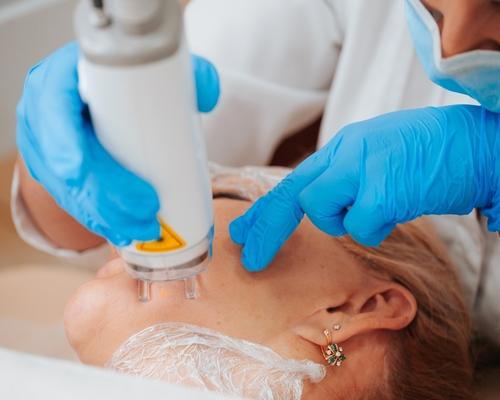
Laser resurfacing is a popular dermatologic treatment that helps improve skin texture, reduce the appearance of wrinkles, and address concerns such as scars and sun damage. Sand Lake Dermatology Center in Orlando, FL, provides expert guidance to help patients understand the options available and choose the treatment that best suits their skin type and goals. Understanding the difference between ablative and non-ablative laser resurfacing is essential for making an informed decision.
Ablative Laser Resurfacing
Ablative laser resurfacing works by removing the outer layers of damaged skin, stimulating the body’s natural healing process and encouraging the growth of new, healthy skin cells. This method can produce dramatic results for deep wrinkles, significant sun damage, and scarring. Because it involves removing the skin’s surface, ablative treatments require a longer recovery period, which can range from one to four weeks. Patients may experience redness, swelling, burning, oozing, and crusting during the healing process. While recovery is more intensive, the benefits often include more significant improvements in skin tone and texture compared with less invasive options.
Non-Ablative Laser Resurfacing
Non-ablative laser resurfacing, by contrast, does not remove the outer layers of skin. Instead, it penetrates beneath the surface to target underlying tissues, stimulating collagen production and gradually improving the skin’s appearance. This approach is less invasive, typically requires less downtime, and carries a lower risk of side effects Although results may appear more gradually compared with ablative methods, this technique allows for repeated treatments and offers a gentler approach for individuals with sensitive skin or those who are at higher risk for hyper- or hypopigmentation.
Choosing the Right Treatment
Selecting the appropriate laser resurfacing option depends on several factors, including the severity of skin concerns, individual skin type, and lifestyle considerations. A consultation allows patients to discuss goals, understand potential outcomes, and receive guidance on the most suitable treatment plan. Combining professional expertise with an understanding of patient needs ensures a safe and effective approach to achieving healthier, rejuvenated skin.
Expert Dermatology Care
Sand Lake Dermatology Center in Orlando, FL, encourages patients to explore the benefits of laser resurfacing under professional care. Understanding the differences between ablative and non-ablative treatments can help patients make informed decisions about their skin health. Individuals interested in improving their skin’s appearance or addressing specific concerns should schedule an appointment with Sand Lake Dermatology Center at (407) 352-8553 to receive personalized recommendations and expert treatment guidance.
- posted: Feb. 02, 2026
Laser resurfacing is a popular dermatologic treatment that helps improve skin texture, reduce the appearance of wrinkles, and address concerns such as scars and sun damage. Sand Lake Dermatology Center in Orlando, FL, provides expert guidance to help patients understand the options available and choose the treatment that best suits their skin type and goals. Understanding the difference between ablative and non-ablative laser resurfacing is essential for making an informed decision.
Ablative Laser Resurfacing
Ablative laser resurfacing works by removing the outer layers of damaged skin, stimulating the body’s natural healing process and encouraging the growth of new, healthy skin cells. This method can produce dramatic results for deep wrinkles, significant sun damage, and scarring. Because it involves removing the skin’s surface, ablative treatments require a longer recovery period, which can range from one to four weeks. Patients may experience redness, swelling, burning, oozing, and crusting during the healing process. While recovery is more intensive, the benefits often include more significant improvements in skin tone and texture compared with less invasive options.
Non-Ablative Laser Resurfacing
Non-ablative laser resurfacing, by contrast, does not remove the outer layers of skin. Instead, it penetrates beneath the surface to target underlying tissues, stimulating collagen production and gradually improving the skin’s appearance. This approach is less invasive, typically requires less downtime, and carries a lower risk of side effects Although results may appear more gradually compared with ablative methods, this technique allows for repeated treatments and offers a gentler approach for individuals with sensitive skin or those who are at higher risk for hyper- or hypopigmentation.
Choosing the Right Treatment
Selecting the appropriate laser resurfacing option depends on several factors, including the severity of skin concerns, individual skin type, and lifestyle considerations. A consultation allows patients to discuss goals, understand potential outcomes, and receive guidance on the most suitable treatment plan. Combining professional expertise with an understanding of patient needs ensures a safe and effective approach to achieving healthier, rejuvenated skin.
Expert Dermatology Care
Sand Lake Dermatology Center in Orlando, FL, encourages patients to explore the benefits of laser resurfacing under professional care. Understanding the differences between ablative and non-ablative treatments can help patients make informed decisions about their skin health. Individuals interested in improving their skin’s appearance or addressing specific concerns should schedule an appointment with Sand Lake Dermatology Center at (407) 352-8553 to receive personalized recommendations and expert treatment guidance.
This website includes materials that are protected by copyright, or other proprietary rights. Transmission or reproduction of protected items beyond that allowed by fair use, as defined in the copyright laws, requires the written permission of the copyright owners.