
- posted: Jul. 18, 2025
At The Sand Lake Dermatology Center in Orlando, Florida, cellulite treatment is one of the things patients most frequently ask about. People want to know why those uneven, dimpled areas show up and what can realistically be done to smooth things out. The short version? Cellulite isn’t just about skin or fat. It’s a structural issue under the surface.
How Cellulite Develops Beneath the Skin
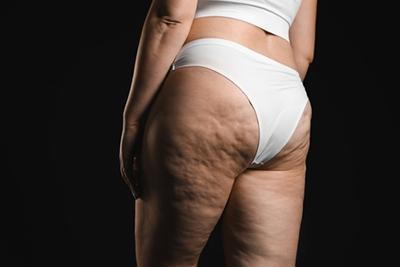
Cellulite happens when connective bands of tissue called septae pull down on the skin while fat cells push up against it. This tension creates that familiar dimpled or rippled look, especially on the thighs, hips, and abdomen. It’s not just a weight or fitness issue. Genetics, skin thickness, and hormone shifts all play a role. Even people with lean body types can develop visible cellulite.
Sun exposure, aging, and lifestyle factors can make the appearance more noticeable, but they aren’t the cause. The underlying structure is what really matters.
Why Over-the-Counter Creams Don’t Cut It
Plenty of products claim to smooth cellulite, but most don’t reach deep enough to affect those connective bands. At The Sand Lake Dermatology Center, our Orlando, Florida, team provides evidence-backed options that target the physical cause, not just the surface appearance. That’s what professional cellulite treatment means.
What Cellulite Treatment Looks Like in a Dermatology Setting
Options vary, but the general idea stays consistent: reduce tension in the connective bands and improve skin tone. Some treatments use laser energy or radiofrequency to stimulate collagen production and loosen the septae pulling on the skin. Others involve injections or microneedling combined with energy devices to create smoother contours.
The team at Sand Lake Dermatology doesn’t push one-size-fits-all answers. It starts with assessing how pronounced the cellulite is and where it’s located, then matching that to the right treatment option.
Why Location and Skin Health Matter
Orlando’s climate means skin stays exposed most of the year, making cellulite more visible than in places where sweaters and jeans cover things up. That’s one reason patients here often prioritize cellulite treatment. Beyond appearance, shoring up skin firmness and connective tissue health can also support the skin’s resilience in general.
A Realistic Approach That Puts You In Control
Cellulite isn’t a health risk, but it is something many people want to feel more confident about. At The Sand Lake Dermatology Center, we focus on clear, practical solutions, not hype. If you want smoother skin, our team can walk you through what’s possible and what’s not, then set up a plan that fits your skin and your schedule. Call our Orlando, Florida, office at (407) 352-8553.
- posted: Jul. 18, 2025
At The Sand Lake Dermatology Center in Orlando, Florida, cellulite treatment is one of the things patients most frequently ask about. People want to know why those uneven, dimpled areas show up and what can realistically be done to smooth things out. The short version? Cellulite isn’t just about skin or fat. It’s a structural issue under the surface.
How Cellulite Develops Beneath the Skin
Cellulite happens when connective bands of tissue called septae pull down on the skin while fat cells push up against it. This tension creates that familiar dimpled or rippled look, especially on the thighs, hips, and abdomen. It’s not just a weight or fitness issue. Genetics, skin thickness, and hormone shifts all play a role. Even people with lean body types can develop visible cellulite.
Sun exposure, aging, and lifestyle factors can make the appearance more noticeable, but they aren’t the cause. The underlying structure is what really matters.
Why Over-the-Counter Creams Don’t Cut It
Plenty of products claim to smooth cellulite, but most don’t reach deep enough to affect those connective bands. At The Sand Lake Dermatology Center, our Orlando, Florida, team provides evidence-backed options that target the physical cause, not just the surface appearance. That’s what professional cellulite treatment means.
What Cellulite Treatment Looks Like in a Dermatology Setting
Options vary, but the general idea stays consistent: reduce tension in the connective bands and improve skin tone. Some treatments use laser energy or radiofrequency to stimulate collagen production and loosen the septae pulling on the skin. Others involve injections or microneedling combined with energy devices to create smoother contours.
The team at Sand Lake Dermatology doesn’t push one-size-fits-all answers. It starts with assessing how pronounced the cellulite is and where it’s located, then matching that to the right treatment option.
Why Location and Skin Health Matter
Orlando’s climate means skin stays exposed most of the year, making cellulite more visible than in places where sweaters and jeans cover things up. That’s one reason patients here often prioritize cellulite treatment. Beyond appearance, shoring up skin firmness and connective tissue health can also support the skin’s resilience in general.
A Realistic Approach That Puts You In Control
Cellulite isn’t a health risk, but it is something many people want to feel more confident about. At The Sand Lake Dermatology Center, we focus on clear, practical solutions, not hype. If you want smoother skin, our team can walk you through what’s possible and what’s not, then set up a plan that fits your skin and your schedule. Call our Orlando, Florida, office at (407) 352-8553.
This website includes materials that are protected by copyright, or other proprietary rights. Transmission or reproduction of protected items beyond that allowed by fair use, as defined in the copyright laws, requires the written permission of the copyright owners.